
Home-X Remodeling
Interior Remodeling Services in Loudoun County
Providing each customer an enjoyable home remodel- because you deserve it!
There is a difference in contractors,
and it matters.
HXR is a full-service remodeling and general contracting firm dedicated to building high-quality spaces and designs. Delivering superlative results with the highest level of professionalism and integrity has earned us the reputation of a contractor you can count on. Our goal for each project is to give our customers a stress-free remodeling experience- no matter the budget.
1,418
Projects Completed
49
Reliable Products
6
Expert Employees
Our Mission Statement
HXR mission is to earn our customers trust. Providing an unparalleled experience, exceptional quality of work, and providing cost-effective solutions. While achieving our customer’s home improvement goals.
Our Vision
Accomplishing our client’s vision and exceeding their expectations is our ultimate goal. We strongly believe your building experience should be smooth flowing, well-planned, and high-quality work with exciting results. Integrity plays a vital role in how we conduct our business. The relationship we develop with our clients is one of trust, honesty, and reliability.
Our Expertise
What we Do
Top quality services executed by our devoted, yet creative team. We are focused on making you stand out.
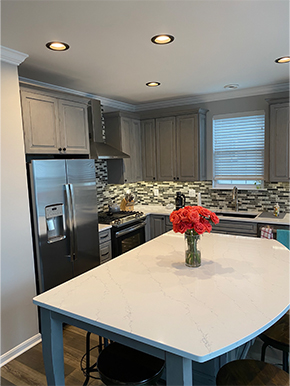

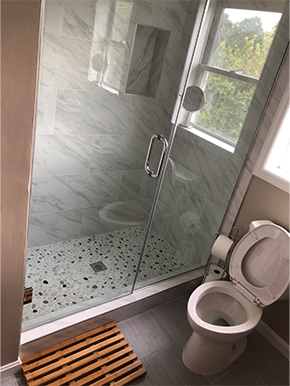
We are Focused on Making you Stand Out.
our team is dedicated to making your vision a reality
The Reasons
Why Choose Us
Our team focuses on giving every customer a stress-free project- because you deserve it.
Exceptional Customer Service
You, the customer, are guaranteed personal attention throughout the entirety of your project. Keeping you informed of your project creates a smooth transition from one phase to the next and, most importantly and overall, a successful project and a satisfied owner.
High Quality Workmanship
Our high-quality and detailed oriented workmanship has built our reputation. Our team of experts will transform your home into a safe and beautiful space you will enjoy for years to come. That is why we offer warranty on labor; highlighting our trust and confidence in our team's work.
Transparency & Honesty
We set ourselves apart by making our customers' wants and needs a reality by building trustworthy relationships and working with them through any renovation process from start to finish. Communication is key to our success; creating an open and honest relationship enables us to provide each customer with a stress-free remodeling project.
Reliable
Our long-lasting relationships confirm that HXR delivers as expected, on time, and within budget. We often exceed project requirements and expectations, allowing our clients to have a smooth and stress-free project.
We Work with your Budget
We stand out from our competitors because we work with your budget. Once you have a budget in place for your project, meet with us to determine what design concepts we can create that stay within your budget.
One- Year Warranty
HXR takes pride in the work we complete and stand behind our finished product. In the rare event that anything happens, we are available to repair the problem. That is why we offer a one-year warranty on labor for your project.
Areas We Serve
Proudly Serving Your Area
Providing reliable, stress-free service to homeowners and businesses across these local communities.
Alexandria
Arlington
Fairfax County
Falls Church
Manassas
Prince William County
How to Plan a Successful Interior Renovation in Loudoun County
Embarking on an interior remodeling project can be both exciting and challenging. Proper planning is essential to ensure the process runs smoothly, stays within budget, and leads to satisfying results. Below is a step-by-step approach to help you organize your thoughts and actions when planning for your next remodeling endeavor.
Define Your Vision with an Interior Remodeling Company in Loudoun County
Before diving into specifics, take time to understand what you want to achieve with the remodeling project. Ask yourself questions like:
– What areas of your home need improvement?
– Are you optimizing for function, aesthetics, or both?
– Do you have specific pain points in the current layout or design that need resolving?
Once you’ve clarified your goals, create a vision board or collect inspiration from magazines, websites, or social media platforms. This will allow you to visualize your preferences and communicate them effectively later on.
Assess Your Space for Interior Remodeling Near Me
Understanding the limitations and opportunities within your space is key:
– Measure dimensions of the room(s).
– Identify existing features you want to keep (e.g., hardwood floors) versus those that need replacing or updating.
– Consider natural light sources and how they interact with potential additions like new furniture or paint colors.
If possible, consult with professionals like architects or designers who can provide insights specific to your home’s layout.
Prioritize Functionality
A successful remodeling project isn’t just about appearances—functionality matters, too. Think about:
– Traffic flow within rooms. – Storage solutions that make daily living easier. – Future needs (e.g., accommodating children, pets, aging family members).
Listing out practical requirements ahead of time will help ensure form meets function in all design decisions.
Research Regulations & Permits
Before committing to major structural changes (like knocking down walls), check whether permits are required in your area. Failing to adhere to local building codes could lead to fines or delays down the line. If uncertain, seek advice from local government offices or licensed contractors familiar with compliance requirements.
Create a Flexible Timeline
Every project faces unexpected challenges—material delays, weather conditions (if exterior work is involved), or labor shortages may arise as potential hurdles:
1. Break larger tasks into smaller milestones (e.g., demolition phase followed by painting).
2. Allow extra time for contingencies in case elements don’t go as planned. 3 .Be mindful there
Start With Your Remodeling Goals for Interior Home Remodeling in Loudoun County
Interior remodeling is a transformative process that requires thoughtful planning, and the first step is to identify your goals. Defining what you want to achieve sets the foundation for a seamless and successful project. Whether you’re aiming to improve functionality, enhance aesthetic appeal, or increase property value, your remodeling goals will guide every decision you make.
Assess Your Needs
Start by understanding why you’re considering an interior remodel. Ask yourself questions like:
– What spaces are no longer meeting my needs or preferences?
– Are there specific pain points in terms of layout, lighting, or storage?
– Am I preparing my home for future life changes (e.g., growing family or aging in place)?
By pinpointing these areas of improvement, you can avoid unnecessary work and focus on changes that truly matter.
Define the Purpose of Each Space
Each room in your home serves a distinct purpose. Redefining these purposes can help clarify your goals:
– Living Room: Do you want a cozy retreat for family nights or an open space for entertaining guests?
– Kitchen: Should it be optimized for gourmet cooking, casual dining, or increased storage?
– Bathroom: Are you looking to create a spa-like space or prioritize accessibility?
Clearly defining the function of each area ensures that your design aligns with both practicality and style.
Set Priorities
Not all goals can be accomplished within every project due to budgetary constraints or structural limitations. Setting priorities will help you stay focused:
1. Identify “must-haves” versus “nice-to-haves.” For example:
– Must-have: Additional electrical outlets in the kitchen.
– Nice-to-have: A built-in coffee station.
2. Determine which areas have the most significant impact on your day-to-day life.
Consider Future Needs
Think long-term when establishing remodeling objectives:
– If you’re planning to sell in a few years, focus on updates that boost resale value (e.g., adding energy-efficient windows).
– If you’re staying for the foreseeable future, consider personal preferences over market trends.
Create a Vision Board
Visualizing your ideas can give clarity to your goals and inspire creativity:
– Use tools like Pinterest or design apps to collect images of spaces that resonate with you. – Include elements such as color palettes, furniture styles, and layouts that align with what you envision.
| Goal | Example Change | Impact |
| Improve Functionality | Install pull-out pantry shelves | Easier access to items |
| Enhance Aesthetics | Add crown molding | Creates a polished look |
| Increase Value | Upgrade kitchen appliances | Appeals to potential buyers |
By thoughtfully setting clear objectives from the start, you’ll not only streamline decision-making but also ensure your remodeling project delivers results that enhance both quality of life and overall satisfaction within your space.
Set a Realistic Budget for an Interior Remodel in Loudoun County
A well-thought-out budget is essential for any interior remodeling project. Setting a realistic and comprehensive budget not only helps to keep your finances in check but also ensures that your project progresses smoothly without unnecessary delays or compromises. Here’s how you can effectively plan your budget for a successful remodeling project.
Assess Your Financial Capacity
Start by determining how much you can comfortably invest in the remodeling project. Consider factors such as:
– Savings allocated for home improvement
– Potential financing options, such as home equity loans or personal loans
– Unexpected expenses that may arise, and how much buffer you want to set aside
Having a clear understanding of your financial limitations will guide the scale and scope of your remodeling efforts.
Break Down Costs Into Categories
| Category | Percentage of Budget | Details |
| Labor Costs | 30% – 50% | Contractor fees, skilled laborers |
| Materials & Supplies | 20% – 40% | Flooring, cabinetry, paint |
| Permits & Fees | 5% – 10% | Zoning permits, inspection costs |
| Furnishings & Décor | 10% – 15% | Furniture, light fixtures, rugs |
| Contingency Fund | ~10% | Unforeseen repairs or upgrades |
This breakdown provides clarity on where your money will go and helps prioritize spending based on what’s most important to you.
Prioritize Your Needs vs. Wants
It’s natural to aim high when imagining your dream space, but balancing needs with wants is key. Focus first on functional upgrades or structural repairs before allocating funds to luxury additions. Examples include: – Ensuring adequate plumbing and electrical work before investing in high-end appliances – Choosing durable materials for high-use areas instead of opting solely for aesthetics
Get Multiple Quotes From Contractors
Pricing can vary significantly between contractors. Always obtain at least three detailed quotes from reputable professionals. Evaluate not just the cost but also their experience, reviews, and timeline estimates.
Consider Hidden Costs
Often overlooked expenses can derail even the best-planned budgets. Be sure to account for: – Disposal fees for old materials (e.g., cabinets or flooring) – Temporary housing if parts of your home become uninhabitable during major renovations – Utility adjustments like temporary water shut-offs or increased energy usage during construction
Cost-Saving Tips Without Compromising Quality:
Here are some ways to stay within budget while still achieving great results: – Opt for mid-range quality materials instead of premium ones where possible – Reuse or upcycle existing furniture or décor elements – Consider DIY elements if they are within your skill level (e.g., painting walls) – Look out for seasonal sales or discounts on materials and furnishings
By following these steps and maintaining a clear focus on both priorities and flexibility, you can set a practical yet adaptable budget that supports your vision without unnecessary stress.
Understand the Project Timeline for Interior Remodeling in Loudoun County
A well-structured project timeline is essential for successful interior remodeling. It not only helps ensure that the work is completed on time but also allows you to coordinate with contractors, manage finances, and reduce stress. Understanding and planning your timeline effectively will provide clarity for both you and your remodeling team.
Why a Timeline Matters with an Interior Remodeling Contractor in Loudoun County
- Keeps the project organized: A clear timeline prevents overlapping tasks and confusion among team members.
- Manages expectations: It sets realistic expectations about when specific phases of the work will be finished.
- Helps with budgeting: Timelines allow you to allocate funds according to different milestones, avoiding overspending early in the process.
- Reduces delays: Planning ahead minimizes downtime caused by material or labor shortages.
Breaking Down an Interior Remodeling Timeline with Interior Remodeling Contractors in Loudoun County
| Phase | Tasks Included | Estimated Timeframe |
| Planning | Define goals, create a budget, hire contractors | 2–4 weeks |
| Design Phase | Select materials, finalize layout/design drafts | 3–6 weeks |
| Approvals | Obtain permits or HOA approvals if applicable | 1–3 weeks |
| Demolition | Remove old structures, prepare site for renovation | 1–2 weeks |
| Construction | Implement major changes like flooring or walls | 4–12 weeks |
| Finishing Touches | Install fixtures, paint, decor adjustments | 1–3 weeks |
Note: These timeframes are averages; complex projects may require more time.
Key Tips for Managing Your Timeline with Interior Remodeling Services in Loudoun County
- Set Milestones: Break your project into smaller milestones or phases (as outlined above). Review progress at each milestone to stay on track.
- Account for Delays: Always include buffer time in your schedule to accommodate unforeseen delays like weather issues or material backorders.
- Prioritize Early Decisions: Choose key materials (e.g., flooring, cabinetry) early in the process as procurement times can vary significantly.
- Coordinate With Contractors: Regularly communicate with your contractor(s) about their availability and any potential disruptions.
- Stay Flexible Without Compromising Goals: If unexpected challenges arise, adjust non-essential elements instead of delaying core tasks.
Common Pitfalls to Avoid with an Interior Renovation Contractor in Loudoun County
- Underestimating how long permits take – Always research local permit requirements ahead of time.
- Scheduling tasks too tightly – Overlapping activities can lead to errors or worksite congestion.
- Rushing key decisions – Choosing fixtures or finishes under pressure often leads to regrets later.
- Ignoring seasonal factors – For instance, certain types of construction might be delayed during winter months in colder regions.
By developing a detailed and thoughtful project timeline upfront, you’ll pave the way for a smoother renovation process while maintaining control over costs and outcomes.
Communicate Clearly With Your Interior Renovation Company in Loudoun County for Interior Renovation Services in Loudoun County
Effective communication with your contractor is a cornerstone of a successful interior remodeling project. Misunderstandings or lack of clarity can lead to delays, budget overruns, or results that don’t align with your vision. Here are some strategies and practical tips to ensure smooth collaboration with your contractor.
Establish Clear Expectations
- Define the scope of work: Provide detailed descriptions of what you want to achieve. Share visual references such as mood boards, photos, or sketches to articulate your ideas.
- Confirm deliverables: Outline specific tasks and milestones. For instance: | Task | Deadline | Responsibility | |——————————-|—————-|———————-| | Installation of flooring | Week 3 | Contractor | | Painting walls | Week 4 | Painter (subcontractor) |
- Agree on quality standards: Discuss the level of craftsmanship and materials you expect. Be clear about finishes, brands, and design details.
Maintain Open Lines of Communication
- Schedule regular check-ins: Set up weekly or bi-weekly meetings to review progress, address concerns, and adjust plans if necessary.
- Use communication tools: Email chains, shared documents (like Google Drive), or project management platforms can help track updates and decisions.
- Document everything: Keep written records of agreements, changes in scope, and timelines to avoid disputes.
Ask Questions Early and Often
Don’t hesitate to clarify technical details or ask for explanations if something is unclear: – What materials do you recommend for durability in high-traffic areas? – Are there any potential risks for delays based on the current supply chain?
Being proactive reduces misunderstandings later on.
Address Changes Promptly
Changes are common during remodeling projects but need proper handling: 1. Discuss potential modifications immediately with your contractor. 2. Request updated cost estimates if changes impact the budget. 3. Ensure all revisions are documented in a change order form.
This minimizes confusion over costs or deadlines caused by adjustments mid-project.
Build Trust Through Transparency
Fostering a positive relationship goes a long way in ensuring excellent results: – Respect agreed-upon payment schedules. – Show appreciation for good work or quick problem-solving efforts.
Trust encourages contractors to stay motivated and committed to delivering quality outcomes.
Tips for Handling Disputes Professionally
Even with clear communication, disagreements may arise. Here’s how to handle them constructively: 1. Stay calm and approach issues objectively rather than emotionally. 2. Refer back to contracts or written agreements when discussing potential resolutions. 3. Involve a third-party mediator if necessary for more complex disputes.
By prioritizing transparency, active listening, and organization in communications with your contractor, you’re setting a solid foundation for a rewarding remodeling experience that aligns with your vision.
Communicate Clearly With Your Contractor
Effective communication with your contractor is vital to ensure a smooth, efficient, and successful interior remodeling project. Misunderstandings can lead to delays, budget overruns, or results that don’t align with your vision. Establishing open and transparent communication from the beginning will help keep everyone on the same page.
Establish Expectations Early
Set clear expectations for your project early in the process. This includes:
– Defining roles and responsibilities: Ensure you understand what tasks the contractor is responsible for and what you will need to provide (e.g., permits, materials).
– Setting milestones: Discuss key project milestones such as demolition start dates, material delivery schedules, and final walkthroughs.
– Clarifying work hours: Agree on when workers will arrive and leave each day to minimize disruptions.
When expectations are clearly defined upfront, it becomes easier to track progress and identify potential issues before they arise.
Use Written Agreements
- Create a detailed contract: The contract should include scope of work, timelines, payment terms, materials being used, warranty details, and cleanup policies.
- Write down change orders: Any modifications to the original plan should be documented as change orders with updated costs or timelines.
Having everything in writing protects both parties and ensures there’s no ambiguity about what was agreed upon.
Schedule Regular Updates
Maintain consistent communication by scheduling regular check-ins with your contractor throughout the project. These updates help identify potential bottlenecks or misalignments early on.
- Weekly meetings or calls can help discuss progress.
- Use emails or shared apps to track updates if face-to-face meetings aren’t feasible.
A reliable contractor should be able to explain any delays or changes promptly during these updates.
Leverage Communication Tools
| Tool/Platform | Use Case | Examples |
| Project management apps | Tracking progress & deadlines | Trello, Asana |
| Messaging platforms | Quick questions & updates | WhatsApp, Slack |
| File-sharing tools | Sharing design files & contracts | Dropbox, Google Drive |
These tools not only streamline conversations but also create digital records that are easy to reference later.
Ask Questions Without Hesitation
If you have doubts about any part of the process—whether it’s about permits, material choices, or additional costs—don’t hesitate to ask questions. Contractors appreciate clients who are engaged in their projects but avoid micromanaging every small detail unless necessary.
Examples of important questions include: – What are the next steps once this phase is complete? – How will you handle unexpected issues like structural challenges? – Are there ways we can reduce costs without compromising quality?
By asking relevant questions at appropriate times, you’ll maintain a collaborative relationship while staying informed about how your project is progressing.
Address Issues Promptly but Professionally
Disagreements may arise during an interior remodeling project; these are often inevitable due to differing expectations or unforeseen circumstances. If a problem occurs: – Bring concerns up immediately rather than letting them fester. – Focus on solutions instead of assigning blame. – Remain respectful yet firm when discussing changes or adjustments required.
A constructive approach ensures that challenges can be resolved quickly without derailing the entire project timeline or budget.
By fostering clear communication channels with your contractor from start to finish—and maintaining professionalism throughout—you’ll create an environment where collaboration thrives while ensuring that your remodeling vision becomes a reality.
Our team has more than 25 years experience in the remodeling industry.
We are a small business located in Alexandria, VA. We provide the luxury most major companies cannot offer – professionals who dedicate their craft to giving each customer a project they will forever be proud of.
From Blog
Latest News
Stay up to date with the latest trends in the remodeling industry.
Reliable Companies
Venders


Give us a Call
Contact Us
Home-X Remodeling, LLC
Home Office
6422 Grovedale Dr. Suite #302 Alexandria, VA 22310
Phone: 703-278-2145 | Fax: UNKNOWN
For general inquiries: info@homexremodeling.com
For warranty inquiries: cisco@homexremodeling.com