
Home-X Remodeling
Home Remodeling Companies in Loudoun County
Providing each customer an enjoyable home remodel- because you deserve it!
There is a difference in contractors,
and it matters.
HXR is a full-service remodeling and general contracting firm dedicated to building high-quality spaces and designs. Delivering superlative results with the highest level of professionalism and integrity has earned us the reputation of a contractor you can count on. Our goal for each project is to give our customers a stress-free remodeling experience- no matter the budget.
1,418
Projects Completed
49
Reliable Products
6
Expert Employees
Our Mission Statement
HXR mission is to earn our customers trust. Providing an unparalleled experience, exceptional quality of work, and providing cost-effective solutions. While achieving our customer’s home improvement goals.
Our Vision
Accomplishing our client’s vision and exceeding their expectations is our ultimate goal. We strongly believe your building experience should be smooth flowing, well-planned, and high-quality work with exciting results. Integrity plays a vital role in how we conduct our business. The relationship we develop with our clients is one of trust, honesty, and reliability.
Our Expertise
What we Do
Top quality services executed by our devoted, yet creative team. We are focused on making you stand out.
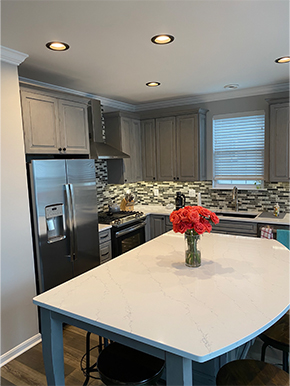

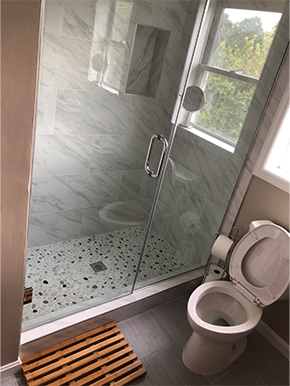
We are Focused on Making you Stand Out.
our team is dedicated to making your vision a reality
The Reasons
Why Choose Us
Our team focuses on giving every customer a stress-free project- because you deserve it.
Exceptional Customer Service
You, the customer, are guaranteed personal attention throughout the entirety of your project. Keeping you informed of your project creates a smooth transition from one phase to the next and, most importantly and overall, a successful project and a satisfied owner.
High Quality Workmanship
Our high-quality and detailed oriented workmanship has built our reputation. Our team of experts will transform your home into a safe and beautiful space you will enjoy for years to come. That is why we offer warranty on labor; highlighting our trust and confidence in our team's work.
Transparency & Honesty
We set ourselves apart by making our customers' wants and needs a reality by building trustworthy relationships and working with them through any renovation process from start to finish. Communication is key to our success; creating an open and honest relationship enables us to provide each customer with a stress-free remodeling project.
Reliable
Our long-lasting relationships confirm that HXR delivers as expected, on time, and within budget. We often exceed project requirements and expectations, allowing our clients to have a smooth and stress-free project.
We Work with your Budget
We stand out from our competitors because we work with your budget. Once you have a budget in place for your project, meet with us to determine what design concepts we can create that stay within your budget.
One- Year Warranty
HXR takes pride in the work we complete and stand behind our finished product. In the rare event that anything happens, we are available to repair the problem. That is why we offer a one-year warranty on labor for your project.
Areas We Serve
Proudly Serving Your Area
Providing reliable, stress-free service to homeowners and businesses across these local communities.
Alexandria
Arlington
Fairfax County
Falls Church
Manassas
Prince William County
How to Plan a Successful Home Remodeling Project with a Remodeling Contractor in Loudoun County
Embarking on a home remodeling project can be both exciting and overwhelming. Proper planning is the key to ensuring your remodel achieves your vision while staying on budget and on schedule. This section outlines practical steps and considerations to help you plan a successful home remodeling project.
Define Your Goals
Before diving into the details, take time to clearly define what you hope to achieve with your remodel. This will serve as the foundation for all subsequent decisions. Ask yourself:
– Are you upgrading for better functionality or aesthetics?
– Do you need more space or want to improve energy efficiency?
– Is this project aimed at increasing resale value or enhancing comfort for daily living?
Having clear goals will guide your choices throughout the process and help avoid unnecessary changes later on.
Assess Your Current Space
Take stock of your home’s current condition and layout. This involves evaluating what works well and identifying pain points that need improvement. Consider these questions:
– Are there unused or underutilized spaces that can be repurposed?
– Do specific areas require structural changes, like removing walls or adding doors?
Documenting these observations will give clarity when discussing options with contractors or designers.
Research Ideas and Inspiration
Gather ideas that align with your vision by exploring sources such as:
– Interior design magazines
– Home improvement blogs or websites like Houzz and Pinterest
– Local showrooms or model homes
Create a vision board—physical or digital—to compile design concepts, color palettes, materials, and layouts that resonate with you.
Set Priorities
It’s rare to remodel an entire home at once due to budgetary or practical constraints. Identify which aspects of the project are non-negotiable versus those that are “nice-to-haves.” For example: – Essential upgrades (e.g., repairing outdated plumbing) – Optional features (e.g., adding custom built-ins)
This prioritization ensures critical components receive attention without overspending.
Build a Project Team
Depending on your project’s scope, assembling the right team is essential. Consider hiring professionals such as:
| Professional | Role/Expertise |
|———————————-|—————————————————————————–| | Architect | Designs structural changes; ensures safety codes are met | | Interior Designer | Plans interior finishes, lighting, furniture placement | | General Contractor | Oversees construction; coordinates subcontractors |
When selecting professionals, verify their credentials, check reviews from past clients, and request references where applicable.
Draft an Initial Plan
Outline a basic roadmap for the remodel based on your goals and priorities:
1. Identify areas needing work (e.g., kitchen upgrade).
2. Allocate estimated portions of your budget for each task.
3. Sketch a rough timeline covering milestones like demolition, construction, inspections, etc.
This initial draft will serve as a starting point when consulting contractors about feasibility and costs.
Be Flexible but Firm
While some adjustments may be unavoidable during remodeling (e.g., dealing with delays in material delivery), stay committed to major elements of your plan unless truly necessary changes arise—this will save money and time in the long run.
By carefully planning each aspect upfront while also allowing room for flexibility in execution, you’ll lay the groundwork for a renovation that aligns seamlessly with both practical needs and personal style preferences
Set a Realistic Project Budget for Home Remodeling in Loudoun County
Why a Budget Matters When Working with Home Remodeling Companies in Loudoun County
- Prevents overspending: A well-thought-out budget keeps expenses in check.
- Clarifies priorities: Understanding your financial limits helps you focus on the most important aspects of the remodel.
- Minimizes stress: Knowing where your money is going can alleviate anxiety during the process.
Steps to Create Your Remodeling Budget with a Home Remodeling Contractor in Loudoun County
- Review your savings, income, and any financing options available.
- Decide how much you’re willing to allocate for remodeling without compromising other financial goals.
- Gather estimates for materials, labor, permits, and potential unexpected expenses.
- Use online tools or consult contractors to get an accurate idea of standard pricing in your area.
- Plan for unexpected issues like hidden structural problems or rising material costs by setting aside 10-20% of your budget as a cushion.
- Separate essential upgrades from optional features. For example: | Essentials | Optional Upgrades | |——————————|———————————–| | Fixing plumbing or wiring | High-end countertops | | Improving insulation | Premium light fixtures | | Replacing outdated appliances| Smart home integration |
- Discuss your plans with contractors or designers to align expectations with real costs.
- Get multiple quotes to compare pricing and ensure you’re choosing the best option within your budget.
- Use spreadsheets or apps to monitor expenses in real time.
- Regular updates keep you aware if you’re nearing or exceeding limits in specific areas.
Tips for Staying Within Budget with Home Remodeling Contractors in Loudoun County
- Repurpose existing materials: Reuse cabinets, hardware, or furniture when possible.
- Time purchases strategically: Look out for sales on materials or appliances.
- Avoid scope creep: Stick to the original plan unless absolutely necessary; adding new features mid-project can lead to significant cost overruns.
Common Budgeting Mistakes to Avoid with a Remodeling Company in Loudoun County
- Underestimating labor costs: Labor often accounts for 20%-40% of total expenses depending on project size and complexity.
- Focusing only on aesthetics: While finishes are important, foundational issues like plumbing and electrical work should take precedence in spending.
- Forgetting permits and inspections: These costs vary by region but are essential factors in any remodeling plan.
By taking these steps and staying disciplined throughout the process, you’ll not only ensure that your home remodel runs smoothly but also avoid unnecessary financial strain without sacrificing quality results.
Choose Which Areas to Remodel First with Remodeling Contractors in Loudoun County
Deciding which areas of your home to remodel first is a critical step in ensuring a successful and efficient project. Prioritization not only helps you manage your budget but also allows you to focus on areas that will have the greatest impact on your lifestyle and home value. Below are some practical tips and considerations when deciding where to begin.
Assess Your Needs and Lifestyle
Start by identifying the spaces in your home that need the most attention based on functionality and current issues. Ask yourself these questions: – Which areas of the house are used most frequently? – Are there any spaces that feel cramped, outdated, or inefficient? – Do you need additional storage, better lighting, or improved energy efficiency?
For instance: – Kitchens: If cooking is a big part of your routine, updating appliances, countertops, or cabinetry can enhance functionality. – Bathrooms: Spaces with aging fixtures or outdated designs may need immediate attention for both comfort and hygiene. – Living Areas: If you entertain often, consider whether an open-concept design or updated furnishings would improve flow.
Evaluate Return on Investment (ROI)
Certain remodeling projects add more value to your home than others. If resale value is important to you: – Prioritize high ROI projects like kitchen upgrades or bathroom renovations. – Avoid over-customizing spaces that may not appeal to future buyers.
| Area | Average ROI (%) |
| Kitchen | 60% – 80% |
| Bathroom | 70% – 78% |
| Basement Finish | 65% – 75% |
| Exterior Upgrades (e.g., siding) | 75%+ |
Consider Structural vs. Cosmetic Changes
Structural renovations often take precedence over cosmetic changes since they address safety and foundational concerns. For example: – Address plumbing issues before installing new bathroom tiles. – Replace old windows before focusing on decorative treatments like curtains.
Cosmetic updates like paint colors or décor can be tackled later once major work is complete.
Budget Allocation per Area
Evaluate how much of your total budget each space will require. For example: – Kitchens tend to be more expensive due to appliance costs. – Bedrooms typically cost less unless they involve complex structural changes.
A good rule of thumb is to allocate money based on the importance of each area in relation to your daily life and goals for resale value.
Start Small if Necessary
If you’re new to remodeling or working with a limited budget: 1. Begin with one room at a time instead of tackling the entire house at once. 2. Focus on areas with quick wins—like refreshing paint in bedrooms—before moving onto larger projects such as full-scale kitchen remodels.
Consult Professionals
Architects, designers, and contractors can provide valuable input about which areas will benefit most from upgrades while fitting within your timeline and financial constraints.
By taking the time upfront to carefully evaluate which spaces should be remodeled first, you’ll set yourself up for a renovation process that’s both manageable and rewarding.
Plan the Layout with a Home Remodeling Company in Loudoun County Before Choosing Finishes
When embarking on a home remodeling project, one of the most critical steps is to plan the layout before selecting finishes. A well-thought-out layout will serve as a foundation for your entire design process and ensure a functional and cohesive end result. Focusing on the layout first allows you to address practical needs, optimize space usage, and avoid costly changes down the road.
Why Prioritize Layout Planning?
- Functionality First: The layout defines how your space will be used. Without a clear plan, you risk prioritizing aesthetics over practicality.
- Avoid Costly Mistakes: Making changes to finishes like flooring or cabinetry after realizing that they don’t fit the overall flow can lead to unnecessary expenses.
- Maximize Your Space: Proper layout planning ensures that every square foot of your home is utilized efficiently, especially in smaller spaces.
- Flow Matters: A well-designed layout ensures smooth movement within your home, whether it’s between rooms or within specific spaces like kitchens or bathrooms.
Steps for Effective Layout Planning
- Assess how each room is currently used and identify pain points or inefficiencies.
- Take note of high-traffic areas and areas that feel cluttered or underutilized.
- Decide what you want from the remodel—more storage, better lighting, added functionality—and prioritize these goals.
- Consider future needs (e.g., accommodating family growth or aging in place).
- Use graph paper or online tools to sketch different layouts based on your goals.
- Experiment with furniture placement, fixture locations, and wall adjustments.
- Architects or interior designers can provide valuable insights into optimizing layouts while meeting local building codes and design standards.
- Determine where plumbing, electrical outlets, HVAC systems, and other utilities will go in order to avoid issues later when finishes are installed.
Factors to Consider When Planning Layouts
| Factor | Key Considerations |
| Room Functionality | Does each room meet its intended purpose? |
| Traffic Flow | Are pathways clear and unobstructed? |
| Lighting | Will natural light be maximized effectively? |
| Storage Needs | Is there ample storage for daily necessities? |
| Accessibility | Are layouts accommodating for all household members? |
Avoid Choosing Finishes Prematurely
Choosing finishes such as tiles, countertops, paint colors, or cabinetry without finalizing the layout can result in mismatched aesthetics or fixtures that don’t fit properly into the space. For example: – Selecting oversized kitchen cabinets before finalizing wall measurements could lead to fit issues. – Picking flooring without accounting for traffic patterns might lead to premature wear in certain areas.
Instead: – Finalize structural decisions first (e.g., moving walls, adding windows). – Ensure all utility placements are mapped out. – Once these elements are set in stone (literally), move on to choosing materials and finishes that complement the established layout.
Practical Tips for Transitioning from Layout to Finishes
- Create a mood board combining potential materials only after confirming spatial dimensions.
- Bring samples of chosen materials (tiles, countertops) into your finalized space plan environment before making decisions.
- Consult with contractors about installation challenges based on your desired finishes; textured tiles might be beautiful but may complicate maintenance depending on where they’re placed.
By taking these steps toward thoughtful layout planning before diving into aesthetic choices like finishes and decor styles, you’ll build a strong foundation for a successful remodeling project. This approach not only saves time but also ensures long-term satisfaction with both form and function in your redesigned home.
Communicate Clearly With Home Renovation Companies in Loudoun County During Home Renovation in Loudoun County
Effective communication with your contractor is one of the most critical aspects of ensuring a smooth home remodeling process. Misunderstandings can lead to delays, unexpected expenses, and frustration. By fostering clear and open communication, you can ensure that your vision is understood and the project progresses according to plan. Here’s how to build that strong line of communication with your contractor.
Establish Clear Expectations Early
- Document Your Goals: Write down all your remodeling goals and share them with your contractor at the outset. This ensures everyone is aligned from the beginning.
- Define the Scope of Work: Specify what areas and tasks are included or excluded from the project to avoid confusion later.
- Set Standards for Quality: Share examples, photos, or even material samples that align with your expectations for finishes and craftsmanship.
Use a Written Contract
A detailed written contract protects both parties by clearly outlining responsibilities, costs, timelines, and deliverables. Key elements to include: – Start and completion dates
– Payment schedule
– List of materials (brands, sizes, colors)
– Warranties for work completed
– A process for handling unexpected changes (change orders)
Regularly Schedule Progress Updates
To keep everything on track: – Agree on regular check-ins (e.g., weekly site meetings or phone calls).
– Request updates on what has been completed versus upcoming steps in the timeline.
– Address any concerns immediately during these discussions instead of waiting until problems escalate.
Ask Questions Freely
Never hesitate to ask questions if there’s something you don’t understand: – Clarify technical terms or processes. – Request explanations for why certain materials or methods are recommended. – Confirm whether suggested changes align with your initial goals.
Keep All Communication Documented
Keeping a record helps avoid potential disagreements down the road: – Use emails for important decisions so you have written proof. – Take notes during meetings or phone calls and share summaries afterward. – Save receipts, invoices, or other financial documentation related to purchases.
| Communication Tip | Benefit |
| Written agreements | Minimizes misunderstandings |
| Scheduled progress updates | Keeps everyone accountable |
| Asking questions early | Prevents costly errors |
Be Open to Collaboration
While it’s important to communicate your vision clearly, remain open to suggestions from contractors who bring expertise to the table: – Listen carefully if they propose alternative solutions that could save time or money. – Collaborate on finding compromises when challenges arise in design or budget constraints.
Avoid Last-Minute Changes
Frequent changes mid-project can lead to delays and cost increases. To prevent this: 1. Finalize design decisions before construction begins. 2. Carefully review plans before approving them so adjustments aren’t needed later.
By establishing strong communication practices early on and maintaining them throughout the remodeling process, you can ensure a positive working relationship with your contractor while bringing your home renovation vision into reality.
Communicate Clearly With Your Contractor
Clear communication with your contractor is one of the most critical aspects of a successful home remodeling project. Misunderstandings or vague instructions can lead to delays, cost overruns, and dissatisfaction with the final outcome. Here’s how to foster effective communication throughout the remodeling process.
Start With a Detailed Contract When Hiring a Home Renovation Contractor in Loudoun County
Establishing clear expectations begins with a detailed written contract that outlines:
– The scope of work.
– Payment terms and schedule.
– Timeline for completion, including key milestones.
– Materials to be used (specific brands or types if applicable).
– Permits and licenses required for the project.
A comprehensive contract will reduce ambiguities and serve as a reference point if issues arise during the remodel.
Keep Lines of Communication Open During Home Remodeling Near Me.
- Set Regular Check-ins: Schedule weekly or bi-weekly meetings to discuss progress, address any concerns, and confirm that the project is on track.
- Use Digital Tools: Utilize apps like email or project management software (e.g., Trello, Houzz Pro) to keep track of updates, photos, or changes in plans.
- Designate a Point Person: Assign one person in your household as the main contact for all discussions with the contractor.
Ask Questions When Needed During Home Renovation Near Me
If you’re unsure about any aspect of the remodel—such as materials being used, costs, or timelines—don’t hesitate to ask questions. Contractors appreciate clients who are involved but respectful. Some key questions to ask include:
1. Are there potential challenges we haven’t addressed?
2. What happens if there’s an unexpected delay or additional costs?
3. How will day-to-day decisions be communicated?
Being informed helps you make better decisions and keeps unnecessary surprises at bay.
Document All Changes in Writing with a Remodeling Contractor Near Me
Changes often arise during remodeling projects due to unforeseen circumstances or shifts in preferences. To prevent confusion: – Request all change orders (adjustments to the original contract) in writing. – Include details such as cost implications, updated timelines, and materials affected by changes. – Both parties should sign off on these modifications before proceeding.
This step minimizes potential disputes later.
Be Respectful but Firm
While it’s important to maintain professionalism when communicating with your contractor, asserting yourself is equally crucial:
– If something doesn’t meet your expectations during inspections (e.g., uneven paintwork), point it out respectfully but promptly. – Avoid micromanaging day-to-day processes; instead, use scheduled check-ins for updates.
A balance between trust and oversight fosters a smoother relationship.
Track Progress Through Clear Milestones
Discuss measurable benchmarks at different stages of the project so you have tangible goals to assess progress against: | Milestone | Expected Completion | Notes | |—————————|———————|——————————–| | Demolition Completed | Week 2 | Ensure proper cleanup is done | | Electrical/Plumbing Work | Week 4 | Inspections might be required | | Flooring Installation | Week 6 | Verify materials match specs |
Having agreed-upon milestones helps you gauge whether things are moving according to plan without micromanaging daily tasks.
By maintaining transparency and fostering collaborative teamwork throughout your project’s duration, you’ll improve not only outcomes but also peace-of-mind throughout every stage of your home remodel journey.
Our team has more than 25 years experience in the remodeling industry.
We are a small business located in Alexandria, VA. We provide the luxury most major companies cannot offer – professionals who dedicate their craft to giving each customer a project they will forever be proud of.
From Blog
Latest News
Stay up to date with the latest trends in the remodeling industry.
Reliable Companies
Venders


Give us a Call
Contact Us
Home-X Remodeling, LLC
Home Office
6422 Grovedale Dr. Suite #302 Alexandria, VA 22310
Phone: 703-278-2145 | Fax: UNKNOWN
For general inquiries: info@homexremodeling.com
For warranty inquiries: cisco@homexremodeling.com