
Home-X Remodeling
Home Remodeling Companies in Alexandria, VA
Providing each customer an enjoyable home remodel- because you deserve it!
There is a difference in contractors,
and it matters.
HXR is a full-service remodeling and general contracting firm dedicated to building high-quality spaces and designs. Delivering superlative results with the highest level of professionalism and integrity has earned us the reputation of a contractor you can count on. Our goal for each project is to give our customers a stress-free remodeling experience- no matter the budget.
1,418
Projects Completed
49
Reliable Products
6
Expert Employees
Our Mission Statement
HXR mission is to earn our customers trust. Providing an unparalleled experience, exceptional quality of work, and providing cost-effective solutions. While achieving our customer’s home improvement goals.
Our Vision
Accomplishing our client’s vision and exceeding their expectations is our ultimate goal. We strongly believe your building experience should be smooth flowing, well-planned, and high-quality work with exciting results. Integrity plays a vital role in how we conduct our business. The relationship we develop with our clients is one of trust, honesty, and reliability.
Our Expertise
What we Do
Top quality services executed by our devoted, yet creative team. We are focused on making you stand out.
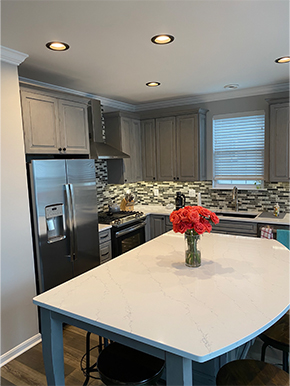
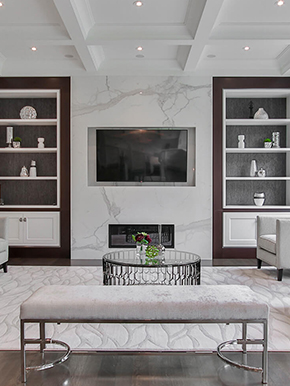
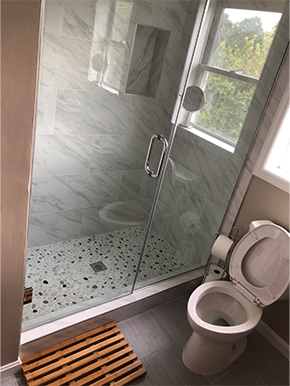
We are Focused on Making you Stand Out.
our team is dedicated to making your vision a reality
The Reasons
Why Choose Us
Our team focuses on giving every customer a stress-free project- because you deserve it.
Exceptional Customer Service
You, the customer, are guaranteed personal attention throughout the entirety of your project. Keeping you informed of your project creates a smooth transition from one phase to the next and, most importantly and overall, a successful project and a satisfied owner.
High Quality Workmanship
Our high-quality and detailed oriented workmanship has built our reputation. Our team of experts will transform your home into a safe and beautiful space you will enjoy for years to come. That is why we offer warranty on labor; highlighting our trust and confidence in our team's work.
Transparency & Honesty
We set ourselves apart by making our customers' wants and needs a reality by building trustworthy relationships and working with them through any renovation process from start to finish. Communication is key to our success; creating an open and honest relationship enables us to provide each customer with a stress-free remodeling project.
Reliable
Our long-lasting relationships confirm that HXR delivers as expected, on time, and within budget. We often exceed project requirements and expectations, allowing our clients to have a smooth and stress-free project.
We Work with your Budget
We stand out from our competitors because we work with your budget. Once you have a budget in place for your project, meet with us to determine what design concepts we can create that stay within your budget.
One- Year Warranty
HXR takes pride in the work we complete and stand behind our finished product. In the rare event that anything happens, we are available to repair the problem. That is why we offer a one-year warranty on labor for your project.
Areas We Serve
Proudly Serving Your Area
Providing reliable, stress-free service to homeowners and businesses across these local communities.
Alexandria
Arlington
Fairfax County
Falls Church
Manassas
Prince William County
Home Remodeling Checklist Before Starting Your Project for Home Renovation in Alexandria, VA
Embarking on a home remodeling project can be an exciting yet overwhelming experience. Proper preparation is essential to ensure success and avoid unexpected challenges along the way. A well-thought-out checklist will help guide your planning process, keeping the project organized and efficient. Below is a comprehensive checklist to consider before starting your remodel.
Assess Your Needs and Priorities with a Home Renovation Contractor in Alexandria, VA
Before diving into the details of your remodel, take time to evaluate your household’s specific needs and priorities. Key considerations include:
– Functionality: Identify what aspects of your home need improvement to better serve your lifestyle.
– Example: Do you need more storage space in the kitchen, or do you want an open-floor plan for better flow?
– Aesthetic Upgrades: Determine whether you’re looking for purely cosmetic changes (like repainting walls) or larger transformations (like structural design changes).
– Resale Value: Think about how the remodel could impact the value of your home if you plan to sell it in the future.
Research Local Regulations and Permits for Home Remodeling Near Me
Ensure compliance with local building codes and regulations before beginning construction. This includes obtaining necessary permits and approvals for structural changes, plumbing updates, or electrical modifications. Working without permits can lead to fines or complications during resale.
Evaluate Your Current Space for Home Renovation Near Me
Take measurements of each area that will be remodeled and assess its current condition. Create a detailed inventory that captures existing elements such as wall dimensions, flooring materials, plumbing fixtures, door placements, windows, etc. This assessment will help you identify any limitations or hidden issues (e.g., mold or outdated wiring).
Assemble Your Team with a Remodeling Contractor Near Me
Decide whether you’ll tackle some tasks as a DIY project or hire professionals for the entire job: – Hiring licensed contractors ensures quality craftsmanship. – Architects/designers can refine design concepts while ensuring structural safety. – Specialized trades like electricians and plumbers may be required depending on the scope of work.
Create a Project Timeline
Establish realistic deadlines by breaking down tasks into phases: 1. Design Development: Finalizing layouts and material selections. 2. Permit Application Process: Allow sufficient time for approval delays. 3. Construction Phase: Schedule based on labor availability and complexity. 4. Finishing Touches: Allocate enough time to address finishing details like painting or furniture placement.
Having a clear timeline reduces stress while allowing room for unexpected delays.
| Phase | Duration Estimate | Key Considerations |
| Design Development | 2–6 weeks | Depends on complexity; involves revisions |
| Permit Applications | 4–12 weeks | Varies based on local government processing |
| Construction | 1–6+ months | Project scale heavily influences duration |
| Finishing Touches | 1–2 weeks | Includes decor placement & final inspections |
Budget Planning
Budgeting deserves careful attention as costs can escalate quickly during renovations: – Set Priorities: Allocate more funds toward high-impact areas like kitchens/bathrooms. – Include Contingencies: Reserve at least 10–20% extra funds for unexpected expenses such as plumbing repairs or material shortages. – Track Progress: Use budgeting tools to monitor spending throughout each phase.
Properly planning these aspects ensures smoother execution while minimizing surprises during implementation stages—resulting ultimately in both efficient results AND longer-lasting satisfaction
Set Your Project Budget with Home Remodeling Companies in Alexandria, VA with a Remodeling Contractor in Alexandria, VA
One of the most critical steps in any home remodeling project is setting a well-defined budget. This ensures that you stay financially prepared throughout the process and avoid unexpected costs or compromises. A clear budget acts as a roadmap, guiding your decisions and prioritizing what matters most.
Steps to Establish Your Remodeling Budget
- Evaluate how much you can realistically spend without jeopardizing other financial obligations or savings goals.
- Consider working with a financial advisor if planning a large-scale remodel.
- Decide whether it’s a full-scale renovation, partial remodel, or minor update.
- Understand the potential cost implications for structural changes like knocking down walls or moving plumbing systems.
- Gather preliminary estimates for labor, materials, permits, and additional fees such as inspections.
- Use online calculators or request quotes from local contractors for more precise figures.
- Plan for unforeseen expenses by setting aside 10-20% of your total budget as an emergency cushion.
- This helps you handle issues like material delays, hidden structural damage, or design adjustments without stress.
- Prioritize Expenses
Divide your remodeling project into must-haves and nice-to-haves:
| Must-Haves | Nice-to-Haves |
| Structural repairs | High-end countertops |
| Plumbing and electrical work | Luxury fixtures |
| Energy-efficient upgrades | Smart home integrations |
| Safety improvements | Decorative elements |
By categorizing these elements, you’ll know where to make trade-offs if needed.
Tips for Staying Within Budget
- Get Multiple Quotes: Request at least three bids from different contractors to compare costs and services.
- Plan Around Seasonal Discounts: Some materials or labor may be less expensive during off-peak times (e.g., winter months).
- DIY When Possible: Minor tasks like painting walls or assembling furniture can help save money if done correctly.
- Avoid Scope Creep: Stick to your original plan unless absolutely necessary to prevent escalating costs.
Common Hidden Costs to Watch Out For
- Permit fees and inspections required by local regulations
- Disposal costs for construction debris
- Upgrading wiring or plumbing systems in older homes
- Increased utility bills during construction (e.g., heating large spaces)
Taking time to account for these factors upfront will help minimize financial surprises as your project progresses.
In summary, setting your project budget is foundational to ensuring a successful remodeling experience. It requires thorough research, careful planning, and disciplined execution while always keeping an eye on both priorities and potential pitfalls.
Set Your Project Budget
A well-defined budget is the foundation of any successful home remodeling project. Without a clear financial plan, costs can quickly spiral out of control, leaving you stressed or unable to complete the work. This section will help guide you through setting and managing your remodeling budget effectively.
Why Setting a Budget is Important
- Financial Clarity: Knowing how much you can afford prevents overspending.
- Prioritization: A set budget helps identify which features or upgrades are most important.
- Prevent Delays: With financial limits in place, you’re less likely to run into mid-project issues due to lack of funds.
Steps to Setting Your Remodeling Budget
- Review your savings, income, and potential financing options (e.g., personal loans or home equity lines of credit).
- Determine the maximum amount you’re comfortable spending without compromising other financial goals.
- Gather estimates for labor, materials, permits, and unexpected expenses.
- Speak with local contractors or use online calculators for a ballpark figure.
- Divide your budget into categories such as: | Category | Percentage of Budget | |———————|—————————| | Labor | 30%-40% | | Materials & Finishes| 30%-35% | | Permits & Inspections| 5%-10% | | Contingency Fund | 10%-15% |
- Always allocate at least 10%-15% of your total budget for unforeseen issues like structural surprises or price increases on materials.
- Make a list of must-haves versus nice-to-haves.
- For instance:
- Must-Have: Fixing structural issues like cracks in the foundation.
- Nice-to-Have: Installing high-end countertops.
Tips for Staying Within Budget
- Obtain multiple quotes from contractors to ensure competitive rates.
- Consider DIYing smaller tasks like painting or landscaping if you have the skills and time.
- Track expenses throughout the project using apps, spreadsheets, or dedicated software.
- Avoid changing plans mid-project unless absolutely necessary; changes can lead to additional costs.
Common Mistakes to Avoid
- Skipping detailed cost research and relying solely on rough estimates.
- Not including contingency funds in your planning process.
- Focusing too much on aesthetics without addressing functional needs first (e.g., plumbing upgrades or electrical rewiring).
By taking these steps to create a thoughtful and realistic remodeling budget, you’ll ensure that your project remains financially manageable while achieving the results you envision for your home transformation.
Decide on Materials and Finishes with a Home Remodeling Contractor in Alexandria, VA
When planning a home remodeling project, choosing the right materials and finishes is one of the most critical steps to achieving your desired vision. The materials and finishes you select will not only influence the aesthetic appeal of your space but also its durability, functionality, and long-term value. Below, we break down how to thoughtfully decide on materials and finishes for your remodeling project.
Understand Your Lifestyle Needs
Before diving into material selections, consider how you use the space daily. Different areas of the home have distinct requirements:
– High Traffic Areas: For spaces like hallways, kitchens, or living rooms that experience heavy foot traffic, opt for durable flooring such as hardwood, tile, or vinyl.
– Wet Zones: Bathrooms and kitchens require water-resistant options like porcelain tiles or quartz countertops.
– Low Maintenance: If you have a busy household or pets, prioritize materials that are easy to clean and resilient to wear and tear (e.g., laminate flooring or engineered stone).
Assessing your lifestyle helps ensure your choices align with functionality while maintaining visual appeal.
Match Finishes with Design Themes
Your finishes—such as paint colors, cabinet hardware, faucets, and lighting—should complement your overall design style. Popular themes include:
| Design Theme | Suggested Materials & Finishes |
|———————–|———————————————–|
| Modern Minimalism | Matte black fixtures; concrete countertops |
| Rustic Farmhouse | Reclaimed wood; oil-rubbed bronze hardware |
| Coastal Retreat | Light oak flooring; whitewashed cabinetry |
Identify a cohesive palette of materials that reflects your preferred design direction while maintaining balance across textures and tones.
Prioritize Quality Over Trends
While trendy finishes may look appealing in the short term, timeless options often provide better long-term value. For example:
– Choose neutral tones for large surfaces (like walls or countertops) to ensure they don’t become dated too quickly. You can add pops of trend-based color through decor items that are easier to update in the future.
– Invest in high-quality flooring or cabinetry as these elements endure significant wear over time.
Eco-Friendly Materials to Consider
Sustainability is an increasingly important factor in material selection:
– Opt for FSC-certified wood products for furniture or flooring. This certification ensures responsible forest management practices were used during production. – Recycled glass tiles make an eco-conscious yet stylish choice for backsplashes. – Low-VOC paints improve indoor air quality by minimizing harmful emissions.
Sample Materials Before Committing
Request samples from manufacturers before finalizing any decisions—this step helps ensure colors and textures harmonize under natural light in your space: 1. Bring swatches home (e.g., tile samples or paint chips). 2. Observe them under different lighting conditions throughout the day. 3. Pair samples together to check compatibility between elements like flooring versus wall paint.
Budget Considerations
Finally, carefully evaluate costs associated with each material: – High-end stone countertops (e.g., marble) may be luxurious but could strain budgets compared to mid-range alternatives like quartz. – Comparing price per square foot helps determine affordability while assessing installation complexities ensures no hidden expenses arise later.
By understanding both functional requirements and aesthetic goals upfront—and balancing them thoughtfully—you’ll create a unified design tailored specifically for your daily life while ensuring lasting satisfaction long after renovations are complete.
Planning Electrical and Plumbing Needs for Home Remodeling in Alexandria, VA
Proper planning for electrical and plumbing systems is a crucial part of any home remodeling project. These systems not only ensure the functionality of your home but also contribute to safety, efficiency, and long-term convenience. Below is a guide to help you navigate this essential step effectively.
Assess Current Systems with Home Remodeling Contractors in Alexandria, VA
Before making any changes, evaluate the condition of your current electrical and plumbing systems:
– Electrical Inspection:
– Check for outdated wiring that might need replacement (e.g., knob-and-tube or aluminum wiring).
– Look for overloaded circuits or insufficient power supply in older homes.
– Identify locations where additional outlets or switches may be required.
- Examine pipes for signs of corrosion, leaks, or damage.
- Test water pressure to ensure proper flow throughout the house.
- Determine whether your water heater meets modern efficiency standards or needs an upgrade.
Collaborate with Experts from a Remodeling Company in Alexandria, VA
Electrical and plumbing work often requires professional expertise due to safety regulations and building codes. Here are key considerations when working with professionals:
– Hire licensed electricians and plumbers who understand local building codes.
– Request detailed cost estimates and timelines before starting work.
– Discuss your remodeling goals so that electrical outlets, fixtures, or plumbing lines align with your design plans.
Create a Comprehensive Layout Plan with Remodeling Contractors in Alexandria, VA
A well-thought-out layout plan prevents costly mistakes during installation:
1. Electrical Layout:
– Define placement for outlets, light switches, dimmers, and fixtures based on room purpose (e.g., kitchen task lighting vs. bedroom ambient lighting).
– Consider integrating smart home features such as automated lighting controls or USB wall outlets. – Ensure compliance with code-mandated requirements (e.g., GFCI outlets in bathrooms/kitchens).
- Plumbing Layout:
- Map out sink, faucet, showerhead, and toilet placements considering both aesthetics and functionality.
- Plan connections for appliances like dishwashers or washing machines.
- Evaluate the need for additional features such as water filtration systems or heated floors.
| System Component | Key Considerations | Example Solutions |
| Electrical Wiring | Avoid overloading circuits | Install dedicated circuits for large appliances |
| Water Supply Lines | Prevent leaks or bursts | Upgrade to PEX piping if existing pipes are old |
| Lighting Fixtures | Improve energy efficiency | Opt for LED lights to reduce electricity usage |
| Drainage Systems | Ensure efficient flow | Add backups like sump pumps in basements |
Account for Future Flexibility with a Home Remodeling Company in Alexandria, VA
Anticipate future needs by incorporating adaptable designs: – Install extra conduits behind walls to simplify adding new wiring later. – Leave access panels near key plumbing points (e.g., shut-off valves). – Use modular components that allow easy upgrades without extensive demolition.
By carefully planning electrical and plumbing details upfront, you can create a safe, functional home environment while avoiding costly revisions down the line. Meticulous preparation ensures these critical systems align seamlessly with both your immediate remodeling vision and long-term living needs.
Plan Electrical and Plumbing Needs with Home Renovation Companies in Alexandria, VA
When undertaking a home remodeling project, careful consideration of electrical and plumbing systems is essential to ensure functionality, safety, and compliance with building codes. Poor planning in these areas can lead to costly delays or post-renovation issues that may compromise your home’s usability. Here’s how to approach these critical aspects of your remodeling project.
Assess Existing Systems
- Check the capacity of your electrical panel. Older panels may require an upgrade to accommodate modern appliances or additional outlets.
- Inspect wiring for wear and tear. If insulation is frayed or outdated (e.g., knob-and-tube wiring), it may need replacement.
- Identify current lighting configurations and decide whether additional fixtures or switches are needed.
- Examine pipes for leaks, corrosion, or outdated materials (e.g., galvanized steel pipes). Consider replacing them with more durable options like PEX or copper.
- Assess water pressure levels and verify that they meet your household’s needs.
- Locate existing plumbing lines to determine if their placement aligns with your remodel plans.
Collaborate with Professionals
- Consult a licensed electrician to map out circuitry needs, including outlets, lighting fixtures, appliances, and smart home features.
- Work with a plumber to design layouts for water supply lines, drainage systems, hot water heaters, and any specialized installations such as underfloor heating or spa tubs.
- Obtain permits if required by local regulations; this ensures that all work adheres to safety standards.
Plan Electrical Upgrades
| Upgrade | Benefit |
| Dedicated circuits | Prevents overloading when using high-power devices like ovens or HVAC systems. |
| Smart home integration | Adds convenience with smart lighting controls or programmable thermostats. |
| Energy-efficient lighting | Reduces energy consumption while enhancing ambiance with LED lights. |
| Additional outlets | Accommodates modern devices in areas like kitchens, offices, or living rooms. |
Optimize Plumbing Layouts
- Customize sink placements in kitchens and bathrooms for better workflow.
- Add water-saving fixtures such as low-flow faucets and dual-flush toilets.
- Plan for future needs by installing extra connections for appliances like dishwashers or washers/dryers if they’re not already present.
Key Considerations During Installation
- Ensure all materials comply with local building codes.
- Test systems thoroughly before closing up walls or floors.
- Label circuit breakers clearly after installation so troubleshooting is easier later on.
By addressing electrical and plumbing needs at the outset of your remodel project, you’ll create a safer home environment while ensuring long-term functionality tailored to your lifestyle preferences.
Our team has more than 25 years experience in the remodeling industry.
We are a small business located in Alexandria, VA. We provide the luxury most major companies cannot offer – professionals who dedicate their craft to giving each customer a project they will forever be proud of.
From Blog
Latest News
Stay up to date with the latest trends in the remodeling industry.
Reliable Companies
Venders


Give us a Call
Contact Us
Home-X Remodeling, LLC
Home Office
6422 Grovedale Dr. Suite #302 Alexandria, VA 22310
Phone: 703-278-2145 | Fax: UNKNOWN
For general inquiries: info@homexremodeling.com
For warranty inquiries: cisco@homexremodeling.com